7 Tips for Choosing Comfortable Bras & Underwear Sets
Choosing bras and underwear for everyday wear is easier when you focus on fit, fabric and construction rather than assuming one style is best for everyone. A comfortable set should suit your measurements, clothing, activity level and personal coverage preference.
These seven practical tips explain what to check when buying bras and underwear online or in store, without relying on fixed sizing rules or unsupported claims about particular styles.
7 Tips for Choosing Comfortable Bras & Underwear
1. Start With Current Measurements
Bra and underwear sizes can vary between brands, so treat the label as a starting point rather than a universal standard. Take current measurements and compare them with the retailer’s own size chart before ordering.
For bras, measure the underbust and fullest part of the bust, then use the brand’s sizing method. For panties, compare waist and hip measurements where those are provided. ComfyBliss shoppers can use the current size chart.

2. Choose the Bra Construction for the Job
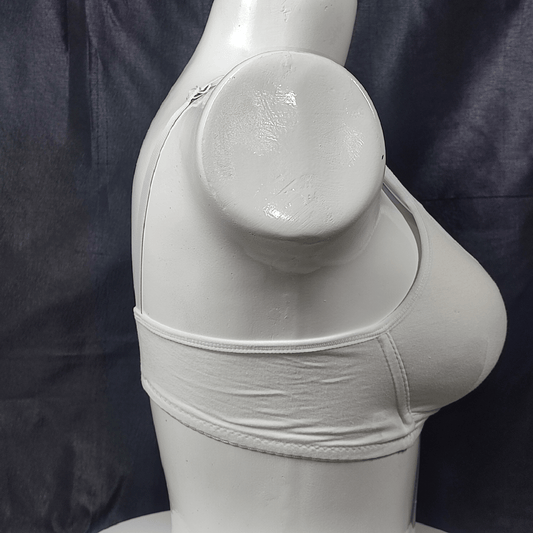
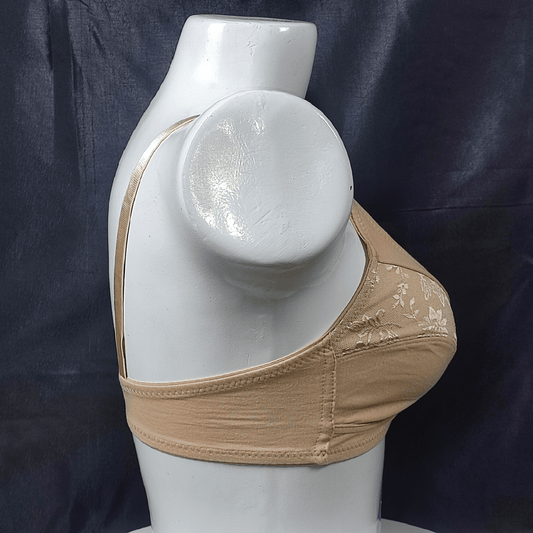
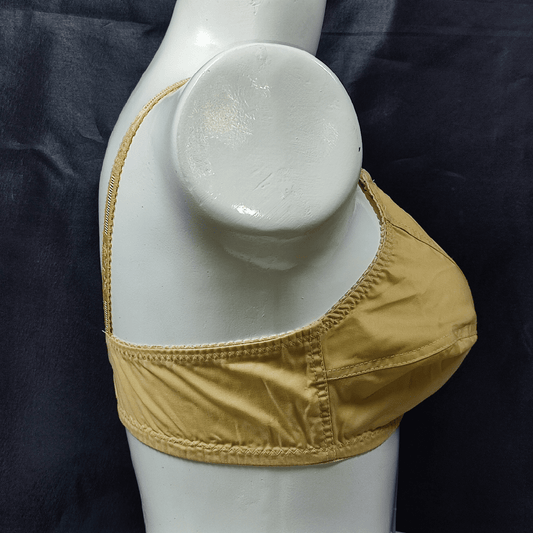
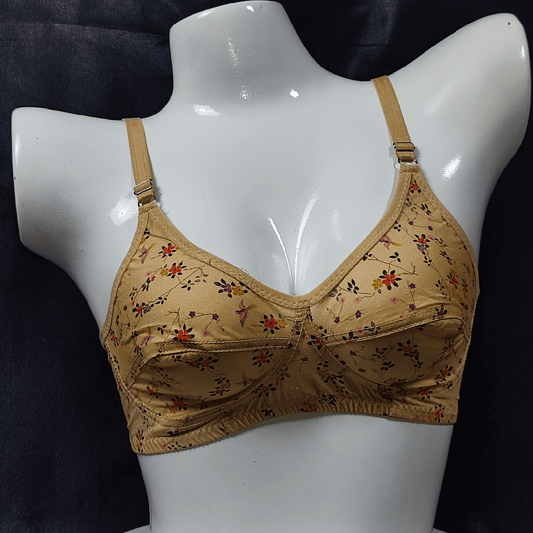
Different bra constructions are useful for different clothing and activities. A T-shirt bra usually prioritizes a smooth cup surface, a full-coverage bra offers more cup coverage, a push-up bra uses padding or construction to create a different shape, and a wire-free bra removes the underwire.
None of those categories is automatically more comfortable or supportive for every wearer. Fit, band construction, cup shape, straps and fabric all matter. Browse the bra collection and compare the actual specifications of each product.
3. Read the Fabric Composition
Fabric affects stretch, feel, care requirements and how a garment behaves during wear. Cotton-rich styles, nylon or polyester blends, elastane, lace and mesh can all work for everyday underwear depending on the design and your preference.
Do not assume that one fibre is always superior. Instead, check the percentage composition, lining, stretch and care instructions. If you are sensitive to a particular texture, pay attention to seams, lace placement, elastic edges and labels as well as the main fabric.
4. Check the Band, Cups and Straps on a Bra
A bra should stay in place without requiring constant adjustment. When trying one on, check that the band remains roughly level around the torso and feels secure without making normal breathing uncomfortable.
The cups should contain the breast tissue without persistent gaping or spilling. Straps should stay on the shoulders after adjustment without digging in. For wired bras, the wire should follow the breast rather than sit on breast tissue or poke.
If one part fits poorly, another size or cup shape may work better even if the label size is similar.
5. Match Underwear Coverage to Your Clothing and Routine
Briefs, bikinis, hipsters, boyshorts, thongs and high-waisted panties provide different rises and coverage levels. Choose according to what feels comfortable and works under the clothes you plan to wear.
For fitted clothing, seamless or lower-profile edges may reduce visible lines. For more coverage, briefs, boyshorts or high-waisted styles may be preferable. Browse current panties and compare rise, fabric and coverage.
6. Choose Sports Bras for the Activity
Exercise creates different movement demands from everyday wear. When selecting a sports bra, check the manufacturer’s stated support level, band fit, strap construction and fabric rather than assuming every sports bra is suitable for running, gym training and yoga.
Higher-impact activities usually need more movement control, while lower-impact activities may prioritize flexibility. Compare the specifications in the sports bras collection before choosing.
7. Judge Quality by Construction, Not Price Alone
Price does not by itself prove that underwear will fit better or last longer. Useful quality checks include even stitching, secure hooks and hardware, elastic that returns to shape, fabric condition and clear care instructions.
How long a garment lasts also depends on how often it is worn, how it is washed and dried, and how it is stored. Follow the care label for each item rather than applying one washing rule to every bra or panty.

Should Your Bra and Underwear Match?
Matching colours or fabrics is a style choice, not a fit requirement. A coordinated bra-and-panty set can be convenient when you want a matching look, but the bra and underwear still need to fit correctly as separate garments.
When buying a set, check the sizing options carefully because some products use one combined size while others allow different bra and panty sizes. See the current bra and panty sets for the sizing offered on each listing.
Frequently Asked Questions
What type of bra is best for everyday wear?
There is no single best type for everyone. Many people choose smooth, wire-free, lightly padded or full-coverage styles for daily use, but the best option is the one that fits your measurements, clothing and comfort preference.
How do I know if my bra band fits?
It should feel secure and remain roughly level around the torso without making breathing uncomfortable or riding noticeably upward during normal movement.
Is cotton always the best underwear fabric?
No single fabric is best for every person or use. Cotton-rich fabrics, synthetic blends, lace and mesh each have different properties. Check the actual composition, construction and care instructions.
Do wide straps guarantee better support?
Wide straps can distribute pressure differently, but overall support depends on the whole bra construction and fit, including the band, cups and straps. Strap width alone does not determine support.
How often should I replace bras and underwear?
There is no universal replacement schedule. Replace a garment when its elastic, seams, cups, hardware or fit show meaningful wear, or when it no longer works comfortably for its intended use.
Final Takeaway
For comfortable everyday bras and underwear, start with current measurements, use the retailer’s size chart, compare fabric and construction, and fit-test the actual garment. Choose styles according to your clothing and activity rather than relying on broad rules about what every woman should wear.