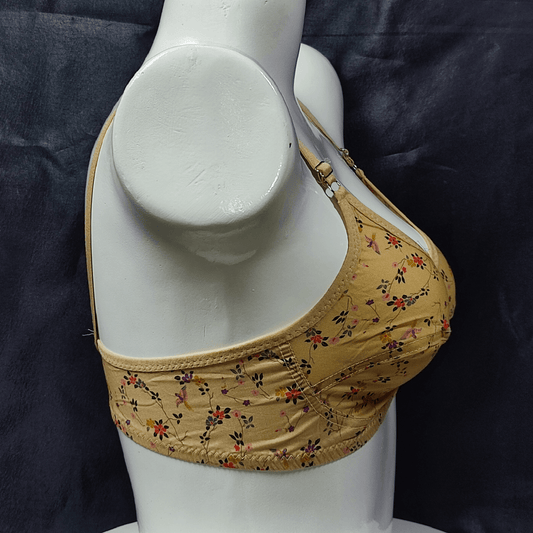
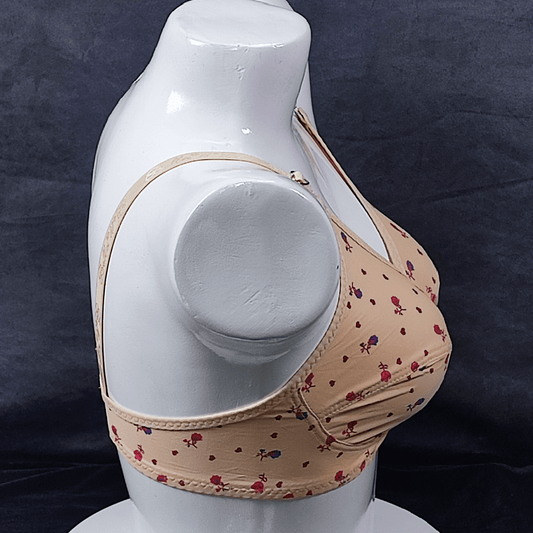
Bras for Older Women: Comfort, Fit & Style Guide
Bra preferences can change over time as body measurements, clothing choices and comfort priorities change. For older women, the most useful approach is not to follow a special age-based sizing rule, but to start with current measurements and compare the construction of each bra with the features that matter most to you.
This guide explains practical fit checks and common bra features that may be worth comparing when comfort, coverage and ease of wear are priorities.
What to Check Before Choosing a Bra
Start With Current Measurements
A bra size that worked well several years ago may not be the best starting point today. Take fresh underbust and full-bust measurements and compare them with the retailer’s own size chart because sizing can vary between brands.
ComfyBliss shoppers can use the current size chart before selecting a product.
Check the Band First
The band should feel secure and remain roughly level around the torso during normal movement. It should not ride noticeably upward or feel so tight that normal breathing is uncomfortable.
If the band fits poorly, tightening or loosening the shoulder straps usually will not solve the underlying sizing issue.
Check Cup Fit
Cups should contain the breast tissue without persistent gaping, spilling or cutting in. Cup shape matters as well as cup size, so a different style can sometimes fit better even when the labelled size is similar.
Adjust the Straps
Shoulder straps should stay in place after adjustment without feeling uncomfortably tight. Wider straps can distribute pressure over a larger area, while narrower straps may work perfectly well when the overall bra fits correctly.

7 Bra Features and Styles to Compare
1. Wire-Free Bras
Wire-free bras remove the underwire and can be a comfortable everyday option for people who prefer a softer construction. Support varies by design, so check the band, cup structure and fabric rather than assuming every wire-free bra provides the same fit.
2. Front-Closure Bras
A front closure can be easier to reach than a traditional back closure for some wearers. Front-fastening bras come in padded, non-padded, wired and wire-free constructions, so the closure location should be considered separately from the support level.
Compare current front-open bras by closure, padding, fabric and fit details.
3. Full-Coverage Bras
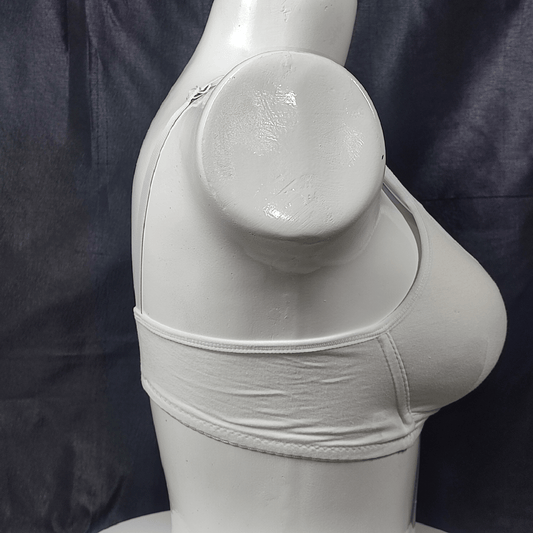
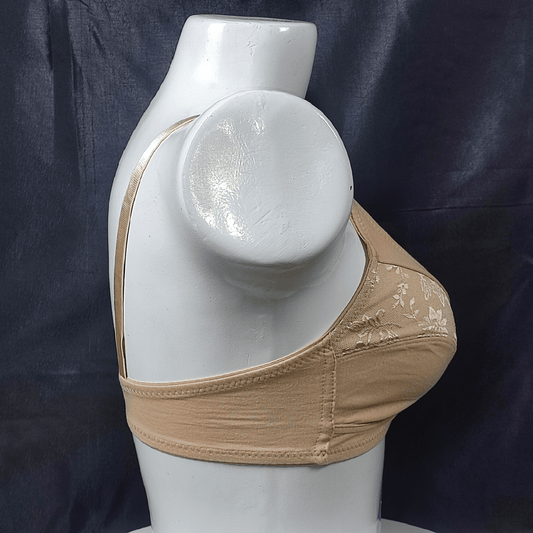
Full-coverage bras use cups designed to cover more of the breast than lower-cut styles. They can be useful when you prefer more cup coverage under everyday clothing.
Compare current full-coverage bras by fabric, padding, wire construction and available sizes.
4. Bras With Wider or Adjustable Straps
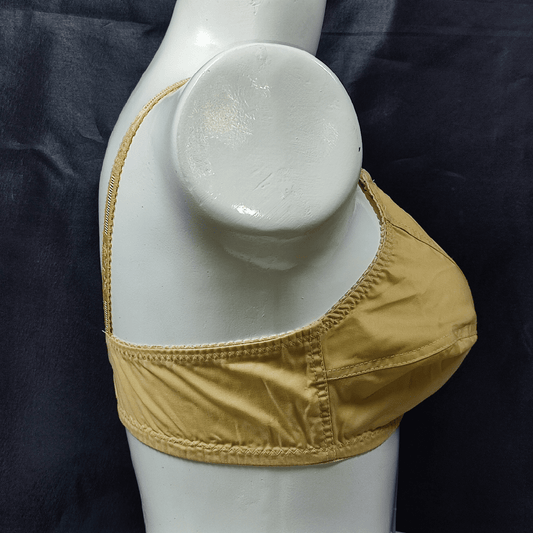
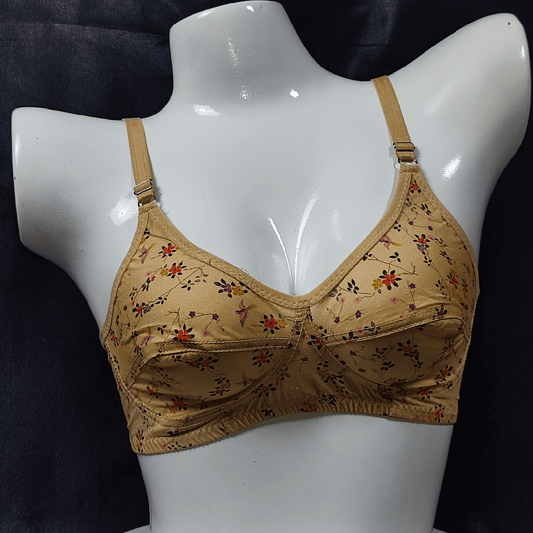
Wider straps may feel more comfortable to some wearers, particularly when narrow straps tend to dig in. Adjustable straps can also help fine-tune the fit. Strap design alone does not determine support, however; the band and cups still need to fit correctly.
5. Soft or Smooth Fabrics
If you prefer less texture against the skin, compare cotton-rich fabrics, smooth synthetic blends, soft linings and seamless constructions. Lace and mesh can also be comfortable when their seams and edges suit your preference.
Read the actual fibre composition and care instructions rather than relying only on marketing terms such as “soft” or “luxury.”
6. Padded and Non-Padded Bras
Padding affects cup shape and coverage but does not automatically make a bra more supportive. Some people prefer lightly padded or molded cups under clothing, while others prefer non-padded cups for a lighter feel.
Check whether padding is fixed or removable before buying, because that feature varies by product.
7. Simple Closures and Hardware
Consider how easy the hooks, clasps and strap adjusters are for you to use. A bra that is technically the correct size may still be inconvenient if its fastening system does not suit your routine.
Browse the wider ComfyBliss bra collection and compare the construction listed on each product page.

Signs a Bra May Not Fit Well
- The band repeatedly rides upward at the back.
- Straps slip even after normal adjustment.
- Cups have persistent empty space or breast tissue spills over the edges.
- Underwire sits on breast tissue, pokes or shifts out of position.
- The bra needs frequent readjustment during normal wear.
- Seams, elastic or hardware create persistent discomfort.
One symptom does not always identify the exact sizing problem. If several bras in the same size fit poorly, recheck your measurements and compare the retailer’s current chart.
Underwire or Wire-Free: Which Is Better?
Neither construction is universally better for older women. A properly fitting wired bra can be comfortable for someone who prefers that structure, while a wire-free bra can suit someone who wants to avoid underwire. The better choice is the one that fits correctly and works for your clothing and routine.
How Often Should You Recheck Bra Size?
There is no required age-based or annual schedule. Recheck your measurements when several bras begin fitting differently, after a noticeable body-measurement change, or before buying from an unfamiliar sizing system.
Frequently Asked Questions
What is the best bra for older women?
There is no single best style. Wire-free, front-closure, full-coverage and smooth-cup bras are common options to compare, but the best choice depends on current measurements, preferred coverage, fabric and ease of use.
Are front-closure bras only for older women?
No. Front closures are simply one fastening style. They can be chosen by anyone who prefers that design.
Do wider straps always mean more support?
No. Wider straps can change how pressure feels on the shoulders, but support depends on the entire bra construction and fit.
Should older women avoid underwire?
Not as a general rule. A wired bra can be suitable if it fits correctly and feels comfortable. If the wire pokes, shifts or sits on breast tissue, try another size or construction.
Do breasts require a different sizing formula with age?
No separate age-based formula is required. Use current body measurements and the sizing system of the brand you are buying.
Final Takeaway
When choosing bras for older women, prioritize current fit rather than age-based rules. Compare the band, cup shape, straps, fabric, closure and level of coverage, then choose the style that is comfortable for your body and daily routine.
If your measurements have changed, start with the ComfyBliss size chart before comparing current bra styles.