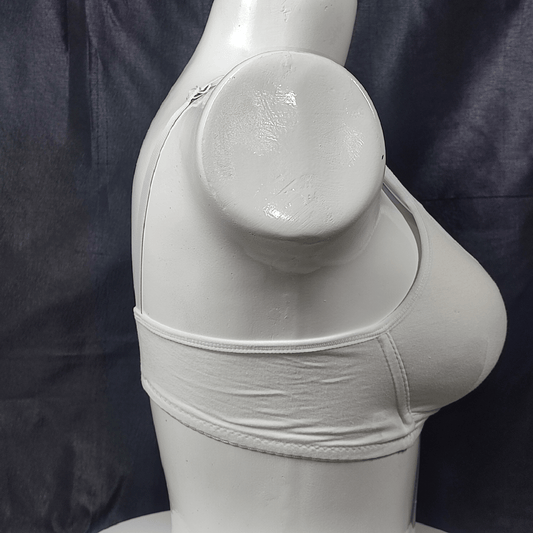
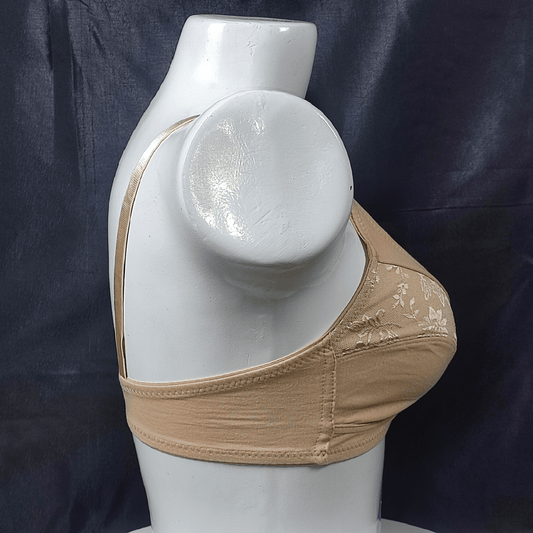
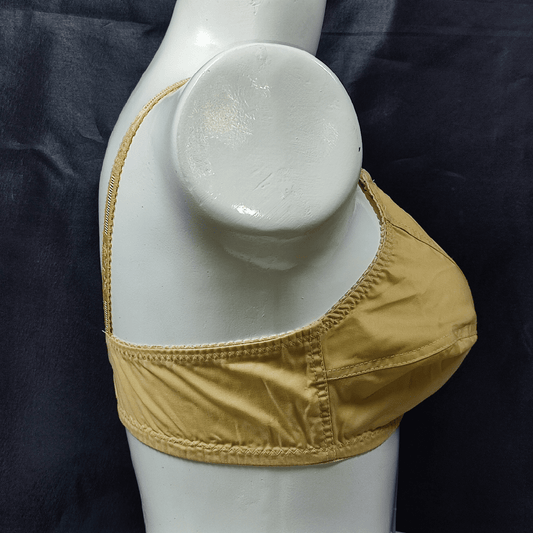
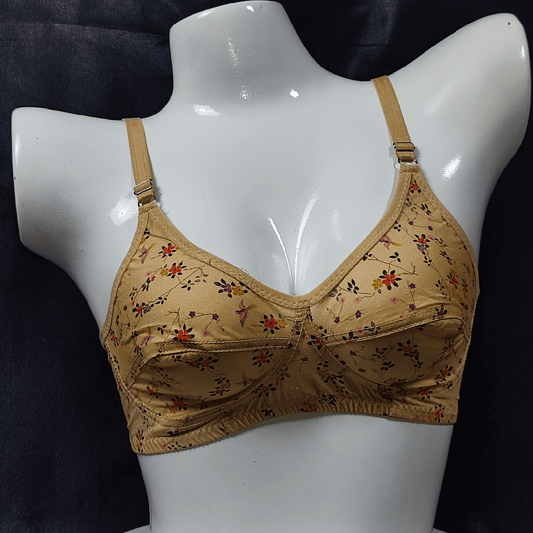
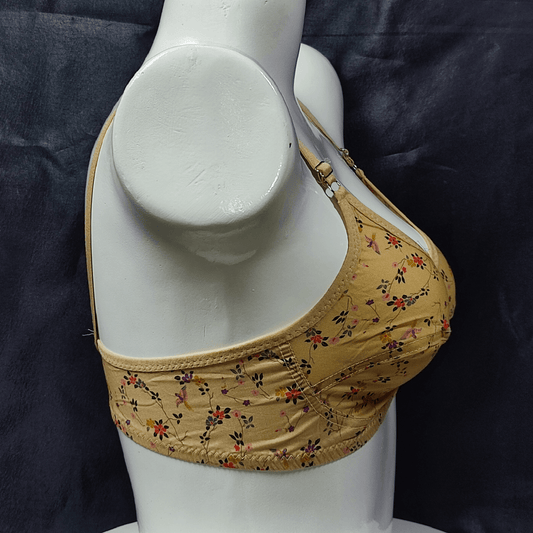
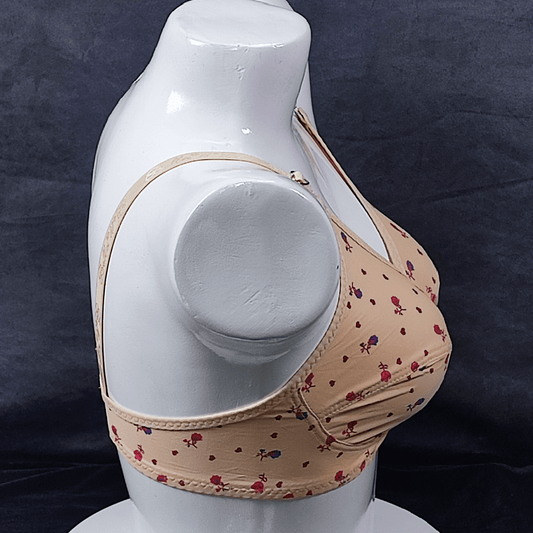
7 Signs It’s Time to Replace Your Bra: Fit & Wear Guide
A bra does not have a universal expiration date. How long it stays comfortable and supportive depends on how often you wear it, how it is washed and stored, its materials, and whether your size or fit needs change.
If you are wondering whether you need a new bra, look at the garment itself rather than relying on a fixed replacement schedule. Stretched elastic, damaged cups, slipping straps, exposed underwire, or a fit that no longer feels right are more useful signals.
This guide focuses on padded bras, but most of the fit and wear signs also apply to other everyday bra styles.

How Often Should You Replace a Bra?
There is no single replacement interval that works for everyone. A bra worn several times each week may show wear sooner than one used occasionally. Rotating between several bras can reduce repeated stress on the same band, straps and cups.
Instead of replacing bras according to a calendar, check them regularly for changes in fit, elasticity, cup shape and fabric condition. If the bra still fits correctly, remains comfortable and has no structural damage, age alone is not a reason to discard it.
7 Signs It May Be Time to Replace Your Bra
1. The Band Has Stretched and No Longer Feels Secure
The band contributes much of a bra’s stability. Over time, elastic can lose some of its recovery. If the band rides up, feels noticeably looser than it used to, or remains loose even after normal hook adjustment, the bra may no longer fit as intended.
Before replacing it, confirm that the issue is not simply an incorrect current size. If several bras suddenly feel too loose or too tight, recheck your measurements.
2. The Padded Cups Are Permanently Dented or Misshapen
Padded and molded cups are designed to hold a particular shape. Temporary creases after storage may settle, but permanent dents, folds or distortion can affect how the bra sits under clothing.
If reshaping the cups gently does not restore them, or if the padding has shifted or broken down, replacement may be the more practical option.

3. The Straps Keep Slipping After Adjustment
Slipping straps do not always mean a bra is worn out. Shoulder shape, strap placement and bra style can also affect them. However, if straps that previously stayed in place now keep loosening or slipping even after adjustment, the strap elastic or hardware may be worn.
Also check the band fit, because a band that has stretched can change how the whole bra sits.
4. The Fabric or Elastic Is Frayed, Rough or Damaged
Repeated wear and washing can eventually affect fabric, seams and elastic. Look for fraying, thinning areas, broken stitching, stretched edges or rough spots that make the garment uncomfortable.
Minor cosmetic fading alone does not mean a bra needs replacing, but structural fabric damage is a clearer sign that its useful life is ending.
5. The Underwire Is Bent, Shifted or Poking Through
If a wired bra has a bent wire, an exposed wire tip, or a wire that has moved out of its intended channel, stop wearing it until it is safely repaired or replaced. A damaged wire can make the bra uncomfortable and may damage the surrounding fabric further.
This point does not apply to wire-free bras.
6. Your Current Size or Fit Has Changed
Bra fit can change over time because body measurements can change. A bra that once fit well may begin to gap at the cups, feel tight at the band, create overflow, or sit differently on the body.
If several bras show the same fit problem, take fresh measurements and compare them with the store’s current size chart before ordering a replacement.
7. The Bra Is No Longer Comfortable for Its Intended Use
A bra may still look acceptable while no longer working well for you. If you repeatedly need to readjust it, the cups no longer sit smoothly, the band feels unstable, or the garment has become uncomfortable during normal wear, inspect the fit and construction.
If adjusting the straps and band does not solve the problem and the bra shows other signs of wear, replacement may make sense.

What Affects How Long a Bra Lasts?
Frequency of Wear
A bra worn frequently is exposed to more stretching, body oils, washing and general friction than one used occasionally. Rotating your everyday bras gives each garment a break between wears.
Fabric and Construction
Different fabrics, elastics, seams, padding types and hardware wear differently. A thicker molded cup, soft cotton-rich bra, lace bralette and sports bra should not be expected to age in exactly the same way.
Washing and Drying
Always follow the garment’s care label. When hand washing is recommended, use cool or lukewarm water and a mild detergent. If machine washing is permitted, a lingerie bag can help reduce snagging. High heat can be hard on elastic and padded cups, so use the drying method specified on the care label.
Storage
For molded or padded bras, avoid crushing or folding one cup inside the other unless the garment is specifically designed for that. Storing cups in their natural shape can help prevent permanent dents.
How to Help Your Bras Last Longer
- Rotate between multiple bras instead of wearing one garment continuously.
- Follow the washing instructions on the care label.
- Use a mild detergent when appropriate for the fabric.
- Fasten hooks before machine washing if the care label permits machine washing, and place the bra in a lingerie bag.
- Avoid unnecessary high heat when the care instructions recommend air drying.
- Store padded cups without crushing them.
- Check bands, straps, seams and wires periodically for wear.
How to Choose a Replacement Bra
When replacing a worn bra, do not assume your previous size and style will still be the best choice. Start with current measurements and compare the construction of the new bra with how you plan to wear it.
Useful details to check include:
- band and cup size;
- padded, lightly padded or non-padded construction;
- wired or wire-free design;
- strap adjustability;
- coverage level;
- fabric composition;
- care instructions.
Browse the ComfyBliss bra collection to compare current styles. If you prefer more cup coverage, see full-coverage bras. For exercise, compare products in the sports bras collection and choose according to the activity and product specifications.
If you are replacing a padded bra and want to compare cup constructions, see our guide to 7 types of padded bras before choosing a new style.

Frequently Asked Questions
How do I know if I need a new bra?
Look for a stretched band, worn strap elastic, permanently misshapen cups, damaged fabric or underwire, or a fit that can no longer be corrected with normal adjustment.
Do bras have to be replaced every 6 or 12 months?
No fixed interval applies to every bra or wearer. Replacement should depend on condition, fit, frequency of use and how the garment has been cared for.
Can I remove the padding from a padded bra?
Only if the bra is designed with removable inserts. Many padded or molded bras have fixed padding that should not be pulled out. Check the product description or care information before attempting to remove padding.
Can I wear the same bra every day?
You can wear a bra as often as it remains clean, comfortable and suitable for the activity, but frequent use will generally expose that garment to more wear. Rotating between bras can reduce repeated stress on a single piece.
What if my bra looks fine but suddenly fits badly?
Recheck your measurements. If several bras fit differently than before, your size or preferred fit may have changed. If only one bra has changed, inspect its band, straps and cups for wear.
Final Takeaway
The best time to replace a bra is when its fit, structure or condition shows that it is no longer doing what you need it to do. Use the seven signs above rather than a rigid calendar: check the band, cups, straps, fabric, wire and overall fit.
When you do replace a bra, compare current measurements and product specifications instead of automatically buying the same size or construction again.