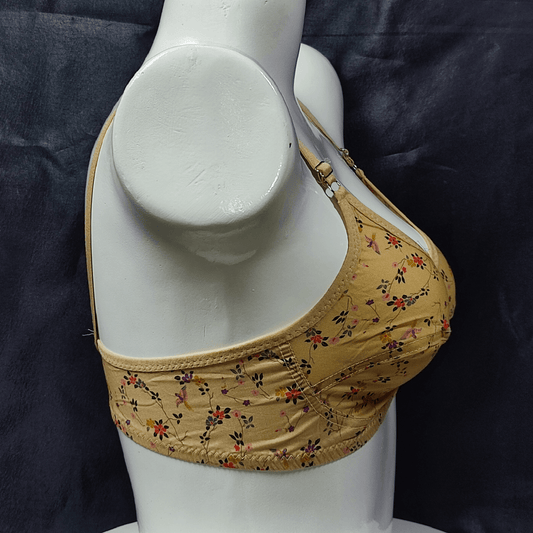
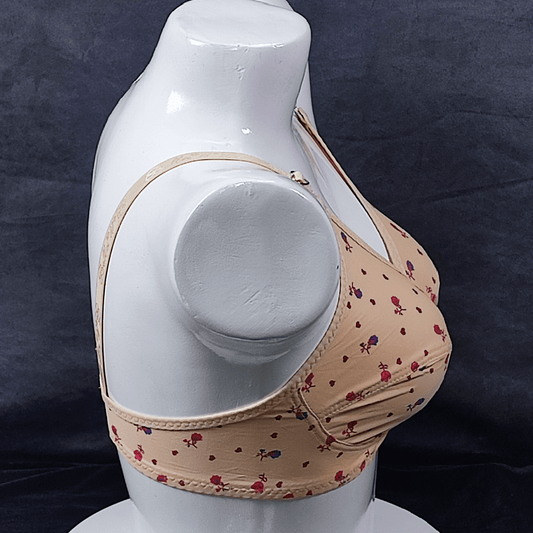
Sports Bras for Running, Gym & Yoga: Fit and Support Guide
A sports bra should match the activity, fit securely and allow comfortable movement. Running, gym training and yoga can place different demands on a garment, so it is more useful to compare the bra’s stated support level and construction than to assume one sports-bra style works equally well for every workout.
This guide explains common sports-bra constructions, what to check for different activities, how to assess fit and when wear may mean it is time to replace the garment.
How Sports Bra Support Levels Differ
Brands commonly describe sports bras as low-, medium- or high-support, although those labels are not standardized across every manufacturer. Always read the individual product description and consider the activity you plan to do.
- Lower-impact activity: walking, stretching and some yoga sessions may prioritize flexibility and lighter construction.
- Medium-impact activity: strength training, cycling or mixed gym sessions may call for more movement control while preserving range of motion.
- Higher-impact activity: running, jumping and similar activities generally call for a more secure band and greater movement control.
The best choice also depends on body shape, size and personal preference, so support labels are a starting point rather than a guarantee.

7 Sports Bra Constructions to Compare
1. Encapsulation Sports Bras
Encapsulation designs use separate cups around each breast. They are often available in more structured support levels and can be useful when you prefer defined cups rather than a single compression panel.
Check the actual support rating, cup construction and band rather than assuming every encapsulation bra is intended for running.
2. Compression Sports Bras
Compression designs hold the breast tissue closer to the chest using stretch fabric and a close fit. They are common in pull-on sports bras and can suit a range of activities depending on how the specific garment is constructed.
A compression bra should feel secure without restricting normal breathing or movement.
3. Combination Sports Bras
Combination designs use elements of both compression and separate cup construction. Some are built for higher-support activities, but the intended support level should still be confirmed from the product specifications.
4. Racerback Sports Bras
Racerback straps meet toward the centre of the upper back. This layout can keep straps away from the outer shoulder area and may work well under racerback workout tops.
Racerback describes the strap layout, not the support level. A racerback sports bra may be low, medium or high support depending on the rest of its construction.
5. Padded Sports Bras
Padding can affect coverage, cup shape and modesty, but padding alone does not determine support. Some sports bras use removable inserts while others have fixed padding.
Check whether the product states that the padding is removable and follow the care instructions so cups or inserts are not damaged in washing.

6. Non-Padded Sports Bras
Non-padded styles remove the extra foam or inserts found in padded designs. They can feel lighter, but breathability depends on the complete fabric and construction rather than padding alone.
Compare the fibre content, lining and stated moisture-management features if those details matter for your workouts.
7. Adjustable Sports Bras
Some sports bras have adjustable shoulder straps, back closures or both. Adjustable features can help fine-tune fit, particularly when a fixed pull-on design does not suit your proportions.
Adjustment should not be used to compensate for a band or cup that is fundamentally the wrong size.
Choosing a Sports Bra for Running
For running, prioritize the brand’s stated high-support or high-impact options when available. Useful features can include a secure band, well-contained cups or compression panels, and straps that remain stable during repeated movement.
Before relying on a new bra for a longer run, test it with normal movements such as walking, jogging in place and raising your arms. Check for riding, slipping, rubbing or uncomfortable pressure.
Choosing a Sports Bra for the Gym
Gym sessions vary. Strength training may involve overhead movement, bending and changes of position, while circuit or cardio sessions can add repeated impact. Choose according to the actual workout rather than the word “gym.”
If your session combines lifting and higher-impact cardio, a more secure support level may be useful. For lower-impact strength work, flexibility and strap placement may matter more.
Choosing a Sports Bra for Yoga
Yoga commonly involves bending, twisting and overhead arm movement. Many people prefer a flexible, wire-free design for this type of activity, but that is a preference rather than a universal requirement.
Check that the neckline and cups stay in place through the positions you normally practise and that straps do not restrict shoulder movement.
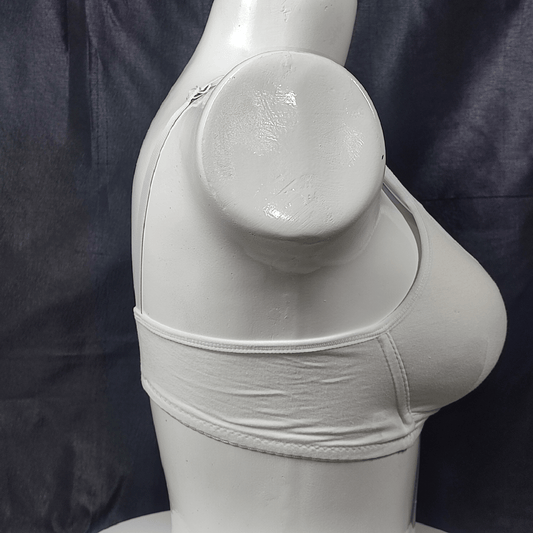
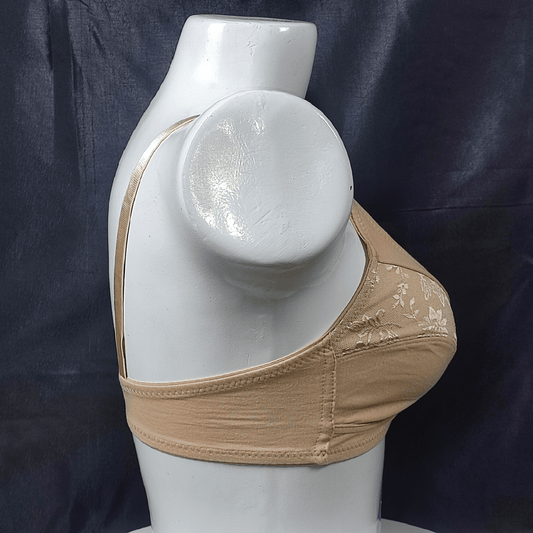
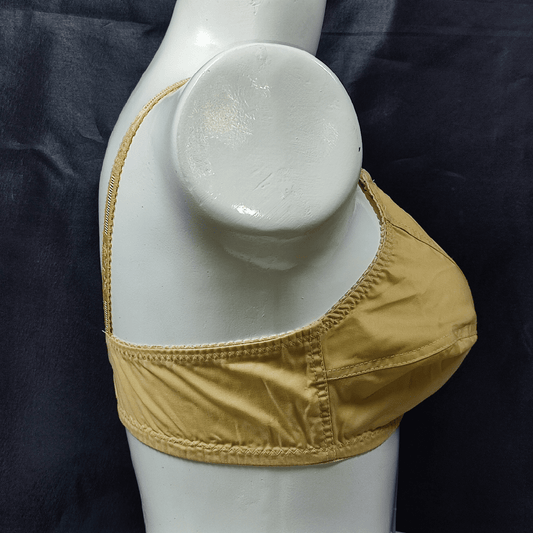
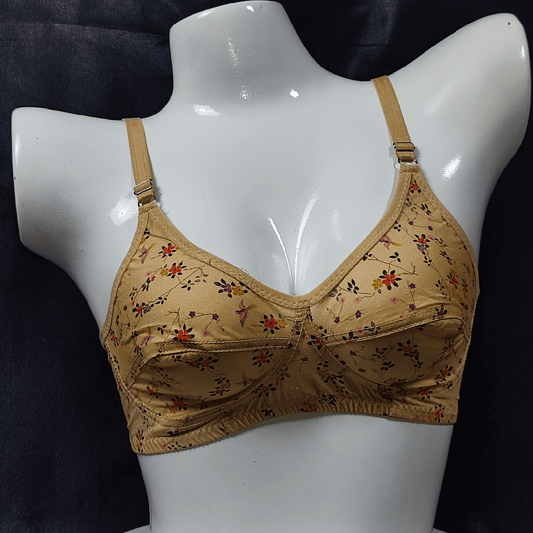
Browse the ComfyBliss sports bras collection and compare each product’s stated construction and support information before choosing.
How to Check Sports Bra Fit
- The band should feel secure and remain roughly level around the torso.
- The cups or compression panel should contain the breast tissue without persistent spilling or large empty areas.
- Straps should stay in place without needing constant adjustment.
- The bra should allow comfortable breathing and normal exercise movement.
- Hooks, seams or edges should not create persistent rubbing during the activity.
If the garment feels wrong in several areas, compare another size or construction rather than simply tightening every adjustable feature.

When Should You Replace a Sports Bra?
There is no universal month-based replacement schedule. Frequency of wear, washing, fabric, elastic and activity all affect how quickly a sports bra changes.
Consider replacing it when the band no longer returns to a secure fit, straps or hardware are damaged, fabric is thinning, cups remain distorted, or the garment no longer controls movement as it did when new. Follow the care label to avoid unnecessary wear.
Frequently Asked Questions
Can I use the same sports bra for running and yoga?
You can if the garment fits comfortably and provides the support you want for both activities, but many people prefer different constructions because running and yoga involve different movement patterns.
Does padding make a sports bra more supportive?
Not necessarily. Padding mainly affects coverage and shape. Support depends on the complete construction, including band, cups or compression panels, straps and fit.
Do I need to size down for a sports bra?
Not as a general rule. Use the brand’s size chart and fit guidance. A sports bra should feel secure, but choosing a smaller size simply to make it tighter can create poor fit.
What fabric is best for a sports bra?
No single fibre blend is best for everyone. Check the product’s fabric composition and any stated moisture-management or ventilation features, then choose according to your activity and comfort preference.
How tight should a sports bra be?
It should feel secure enough to stay in place and provide the intended support while still allowing comfortable breathing and movement.
Final Takeaway
Choose sports bras by matching the garment’s stated support level and construction to your activity. Running usually calls for greater movement control, while gym and yoga needs vary with the exact workout. Fit-test the actual garment, follow its care instructions and replace it based on condition rather than a fixed calendar.