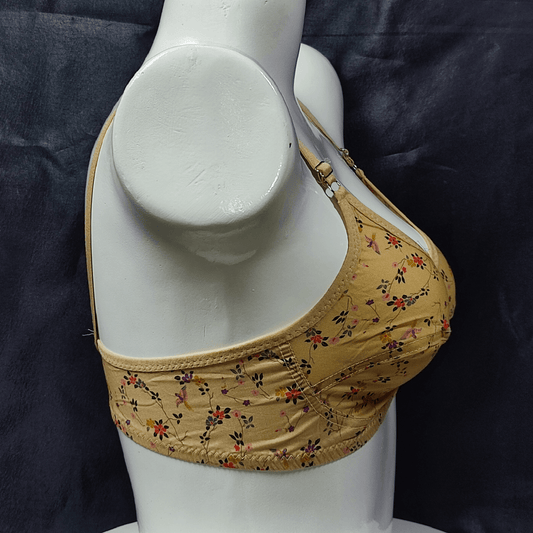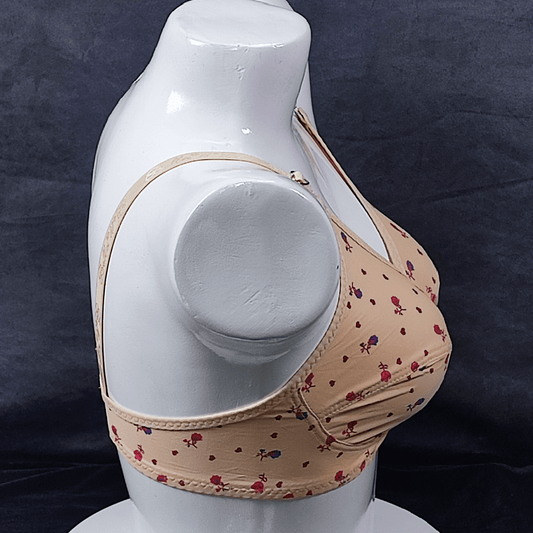
How to Care for Lingerie: 8 Practical Tips for Bras & Underwear
Good lingerie care starts with the garment’s own care label. Bras, panties, shapewear and delicate lingerie can use different fabrics, elastics, padding and hardware, so one washing rule does not suit every item.
If you want your underwear to keep its shape and feel for as long as practical, focus on gentle handling, appropriate washing and drying, and storage that does not crush or stretch the garment. These eight tips explain what to check.
8 Practical Lingerie Care Tips
1. Read the Care Label Before Washing
Always check the manufacturer’s care instructions first. The label tells you whether the garment can be machine washed, which water temperature is appropriate, and whether tumble drying, ironing or bleaching should be avoided.
Fabric alone does not tell the whole story. A cotton-rich panty may have elastic trims that need gentler care, while a padded bra can require different handling from an unlined bralette.
2. Sort and Prepare Delicates Before Washing
Separate light and dark colours when needed, and avoid mixing delicate underwear with heavy or rough items such as jeans, towels or garments with exposed zippers. Hooks and other hardware can catch on lace, mesh and elastic.
For bras with hook-and-eye closures, fastening the hooks before washing can help reduce snagging. Check pockets, removable inserts and decorative attachments before placing an item in water.

3. Hand Wash When the Label Recommends It
For items labelled for hand washing, use cool or lukewarm water and a detergent suitable for the fabric. Let the garment soak only as long as the detergent or care instructions recommend, then move it gently through the water rather than scrubbing aggressively.
Rinse thoroughly and avoid twisting or wringing padded cups, lace panels or elastic bands. Pressing out excess water gently is less likely to distort the garment.

4. If Machine Washing Is Allowed, Use a Lingerie Bag
When the care label permits machine washing, a mesh lingerie bag can help keep straps, hooks and delicate fabric from tangling with other laundry. Use the cycle and temperature specified on the label; a gentle cycle is often appropriate for delicate items when machine washing is allowed.
Do not overload the machine. Giving bras and underwear room to move can reduce unnecessary friction and twisting.
5. Dry According to the Care Instructions
High heat can be hard on some elastics, foams and delicate fabrics, but the correct drying method depends on the garment. Follow the label rather than assuming every item must be dried the same way.
If air drying is recommended, reshape padded or molded cups while they are damp and let the garment dry fully before storing it. Avoid storing underwear while it is still damp.
6. Store Bras and Underwear Without Crushing Them
Molded or padded bras are best stored in a way that lets the cups keep their natural shape. Avoid sharply folding or inverting cups unless the product is specifically designed to be stored that way.
Panties, boyshorts and shapewear can be folded neatly or separated with drawer dividers. Keep hooks or rough fasteners away from lace and mesh where possible.
7. Rotate Frequently Worn Pieces
If one bra or pair of underwear is worn and washed far more often than the rest of your wardrobe, it will naturally experience more use. Rotating between several suitable pieces can spread that wear across multiple garments.
There is no required number of bras or panties to own. Choose a rotation that fits your laundry routine and how often each garment is used.
8. Replace Items Based on Condition, Not a Fixed Calendar
Underwear does not have a universal replacement date. A garment may need replacing when its elastic no longer recovers, straps or seams are damaged, molded cups remain misshapen, underwire is exposed or bent, or the item no longer fits comfortably after normal adjustment.
Fading alone is usually cosmetic, while structural damage is a clearer reason to replace a garment. If several bras suddenly fit differently, recheck your measurements before automatically buying the same size again. The ComfyBliss size chart can help when comparing current measurements with available sizes.

Care Tips by Garment Type
Bras
Pay particular attention to bands, straps, molded cups and underwire channels. Fasten hooks before machine washing when the care label permits machine washing, and avoid crushing padded cups during storage.
If you are replacing a worn bra, compare current options in the bra collection by fabric, padding, wire construction and care instructions.
Panties and Boyshorts
Wash according to the label, separate colours where needed, and make sure the fabric is fully dry before putting it away. Delicate lace or mesh styles may benefit from a laundry bag when machine washing is allowed.
You can compare current fabrics and constructions in the panties collection.
Shapewear
Shapewear often depends on stretch fibres and firm elastic construction, so avoid assuming it can tolerate the same heat or wash cycle as ordinary clothing. Follow the specific label and avoid stretching the garment aggressively while wet.
Compare current shapewear by fabric, construction, stated compression and care instructions.
Frequently Asked Questions
How can I properly care for lingerie to maintain its quality?
Start with the care label, use a washing method appropriate for the fabric and construction, reduce snagging and friction, dry the item as instructed, and store it without crushing cups or overstretching elastic.
How should I wash bras?
Follow the individual bra’s care label. If hand washing is required, use an appropriate detergent and handle cups and elastic gently. If machine washing is allowed, fastening hooks and using a lingerie bag can reduce tangling and snagging.
Can lingerie go in a tumble dryer?
Only when the care label permits it. Some lingerie materials and elastics can be affected by heat, so do not assume tumble drying is safe for every item.
How do I keep underwear dry after washing?
Use the drying method specified on the care label and allow the garment to dry fully before storing it. Do not place damp underwear in a closed drawer or laundry pile.
How should I care for boyshort underwear?
Check the fabric and care label, wash with compatible colours, use a suitable detergent, and avoid unnecessary heat or rough handling. Lace-trimmed or delicate boyshorts may need gentler treatment than basic cotton styles.
Final Takeaway
The most reliable lingerie-care routine is not a rigid set of universal rules. Read the label, handle delicate fabrics and elastic gently, protect garments from unnecessary friction and heat, and replace them when their fit or structure actually shows wear.
Those habits apply whether you are caring for everyday bras, panties, boyshorts, shapewear or more delicate lingerie.