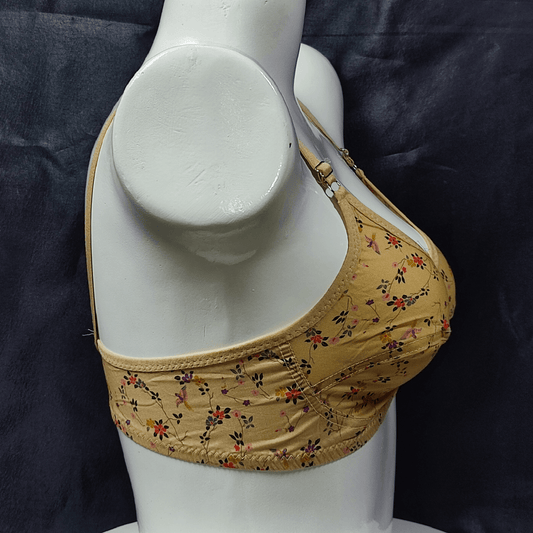
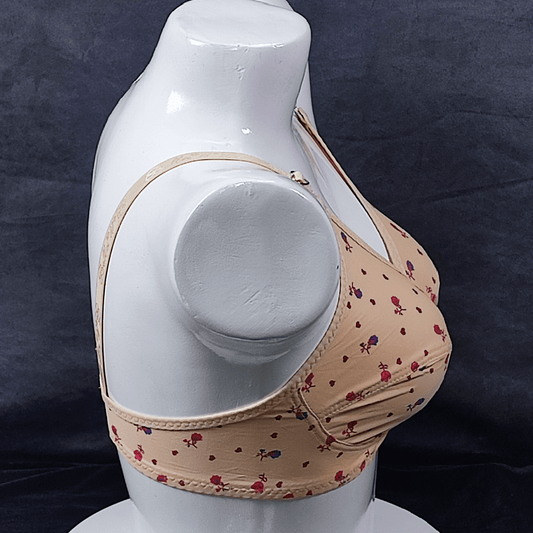
7 Soft Bras for Women in Pakistan: Comfort & Fit Guide
A soft bra is usually chosen for its flexible feel, lighter structure and everyday comfort. The term is not a single technical bra category, so two products described as “soft” can still differ in fabric, padding, wire construction, coverage and support.
If you are shopping for soft bras for women in Pakistan, focus on the features you can verify: fabric composition, cup construction, band fit, strap adjustment, coverage and size. This guide compares seven practical styles and explains what to check before buying.

What does “soft bra” mean?
“Soft bra” is a broad shopping term rather than a standardized construction. Some soft-feeling bras are non-padded and wire-free, while others use light padding, lace, mesh or a supportive band. A bra can also feel soft without being suitable for every outfit or support preference.
Instead of relying on the product name alone, compare the actual materials and construction details on the product page.
What to look for in a soft bra
- Fabric: Cotton and cotton-rich blends are popular for a soft everyday feel. Lightweight synthetic blends can also feel smooth and may dry faster. Check the listed composition rather than assuming one fabric is always better.
- Padding: Non-padded bras reduce cup bulk, while lightly padded bras can add coverage and shape. Choose according to your preference and clothing.
- Wire construction: Wire-free bras can feel more flexible, but underwire is not automatically uncomfortable. Correct size and construction matter more than the label alone.
- Band and straps: The band should sit securely without riding up, and adjustable straps should not carry all the pressure.
- Coverage: Full-coverage, demi, bralette and other cuts suit different outfits and preferences.
- Size: A soft fabric cannot compensate for an incorrect size. Use measurements and the store’s size chart before ordering.
7 soft bra styles to compare
1. Cotton or cotton-rich everyday bra
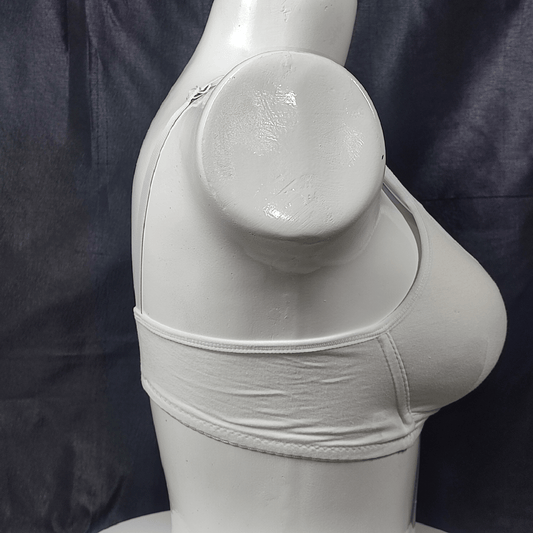
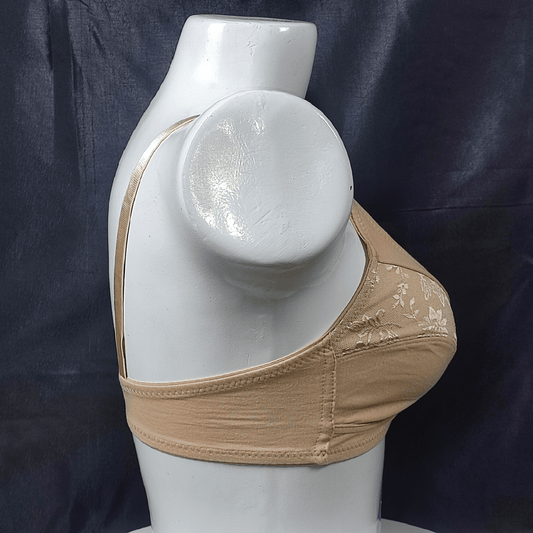
Cotton and cotton-rich bras are a straightforward option for shoppers who prefer a soft fabric feel for daily wear. Look at the exact fabric percentage, cup lining and elastic construction because these details vary by product.
Browse the ComfyBliss bra collection and compare fabric details before choosing.
2. Non-padded bra
A non-padded bra has no added cup padding, which can make it feel lighter under everyday clothing. Non-padded does not necessarily mean wire-free, so check both features separately on the individual product page.
Compare current non-padded bras.
3. Bralette
Bralettes often use softer, less structured construction than conventional molded bras. Some use lace or elastic detailing, while others are simple and smooth. Coverage and support vary by design, so fit remains important.
Explore the bralette collection.
4. Lightly padded bra
If you want some cup coverage without heavier padding, a lightly padded bra can be a useful middle ground. Check whether the padding is fixed or removable and whether the product is wired or wire-free.
See lightly padded bras.
5. Full-coverage bra
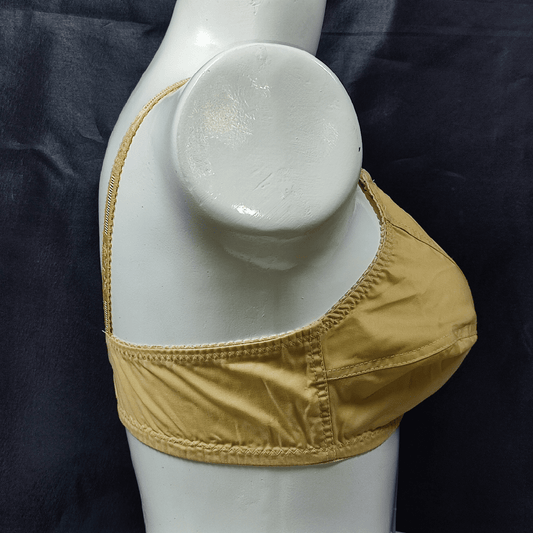
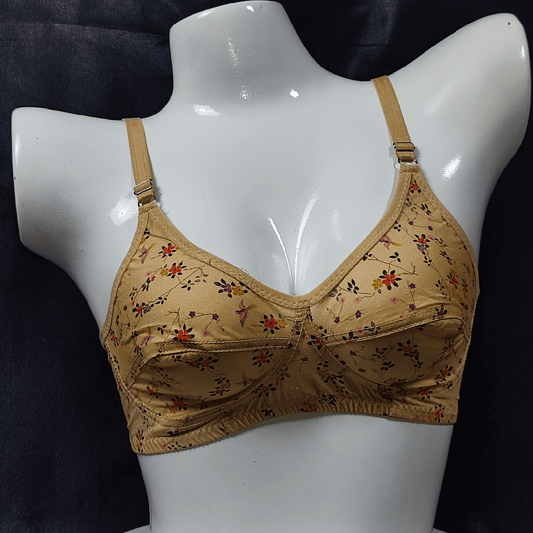
Full-coverage bras provide more cup coverage than many demi or plunge styles. A softer full-coverage design can work well for everyday outfits when you prefer a more covered silhouette, but the right band and cup size are still essential.
Browse full-coverage bras.
6. Front-open bra
A front-open bra uses a closure at the centre front rather than the back. Some shoppers find this construction convenient to put on and remove. Comfort depends on the closure placement, cup fit, band tension and fabric, so compare the product specifications rather than assuming every front-open style will feel the same.
Browse current front-open bras and compare the listed closure, cup construction, fabric and straps on each product page.
7. Teen or beginner bra
Teen and beginner bras often prioritize simple construction, lighter structure and everyday coverage. Choose by current body measurements and fit rather than age alone, and avoid buying a smaller size to create extra tightness.
See the Teen Bra collection.

How to choose the right soft bra
Start with the use case. For long everyday wear, you may prefer lighter fabric and minimal bulk. Under fitted clothing, a smoother cup can matter more. For more coverage, compare full-coverage styles. If you want less padding, start with non-padded options.
Before ordering, check:
- your current underbust and bust measurements;
- the size chart for the specific store;
- fabric composition and lining;
- padding and wire construction;
- strap adjustability and band closure;
- coverage level and neckline compatibility;
- care instructions.
Soft bras for warm weather
In hot weather, lightweight construction can feel more comfortable than thick, heavily layered cups. Cotton and cotton-rich fabrics are soft and absorbent, while some synthetic fabrics dry faster. There is no universal “coolest” bra, so compare fabric weight, lining, fit and how you plan to wear it.
If heat is your main concern, avoid relying on vague claims such as “cooling” or “sweat-proof” unless the product page explains the fabric or construction behind them.
Frequently asked questions
Are soft bras always wire-free?
No. “Soft bra” is a broad description of feel or construction, not a guarantee that a bra has no wire. Check the product specifications for wire, padding and cup structure.
Are non-padded bras softer than padded bras?
Not necessarily. Non-padded bras use less cup padding, but overall softness depends on the main fabric, lining, seams, band and straps.
What fabric should I choose for everyday wear?
That depends on your preference and activity. Cotton and cotton-rich blends are commonly chosen for softness and absorbency, while lightweight synthetic blends may dry faster. Check the actual composition and care instructions.
Can a soft bra still provide support?
Yes, depending on its design and fit. Support comes from the band, cups, straps and overall construction. The word “soft” alone does not indicate a specific support level.
How should a soft bra fit?
The band should sit level and secure, the cups should contain the breast tissue without obvious gaping or overflow, and the straps should stay in place without digging. If the fit changes noticeably, recheck your measurements.
Final takeaway
The best soft bra is not simply the one with the softest marketing language. Compare verifiable details: fabric, padding, wire construction, coverage, band fit and size. Those factors will help you choose a style that suits your wardrobe and everyday preferences.
Browse bras, bralettes, non-padded bras and lightly padded bras at ComfyBliss, and check each product’s specifications before buying.