7 Lightweight Lingerie & Nightwear Styles for Summer
Hot summer nights can make heavy, close-fitting sleepwear feel less comfortable. Instead of relying on one “best” fabric or a universal lingerie rule, look at the whole garment: material, weight, fit, coverage, seams and how much airflow the design allows.
This guide compares seven lingerie and nightwear styles that can work well in warm weather. It does not assume that every product in a category uses the same fabric or construction, so always check the actual product page before buying.
For a broader fabric-and-fit checklist, see our guide to breathable summer undergarments.

What matters most in summer lingerie?
Start with the product details rather than the marketing label. A “nightdress,” “bralette” or “lingerie set” can be made in many different ways, so the category name alone does not tell you how light, stretchy or breathable it will feel.
Useful details to check include:
- Fabric composition: read the fibre content on the product page instead of assuming that a style is cotton, silk, modal or another material.
- Garment weight: lighter constructions may feel less bulky in warm conditions.
- Fit: a relaxed cut can allow more space between the body and garment than a very close-fitting style.
- Coverage: camisoles, slips, babydolls and short sets expose different amounts of skin.
- Padding and wiring: choose these features according to your preference; neither is automatically required for nightwear.
- Seams and trims: lace, elastic and decorative details can affect how the garment feels against the skin.
1. Soft bralette and brief set
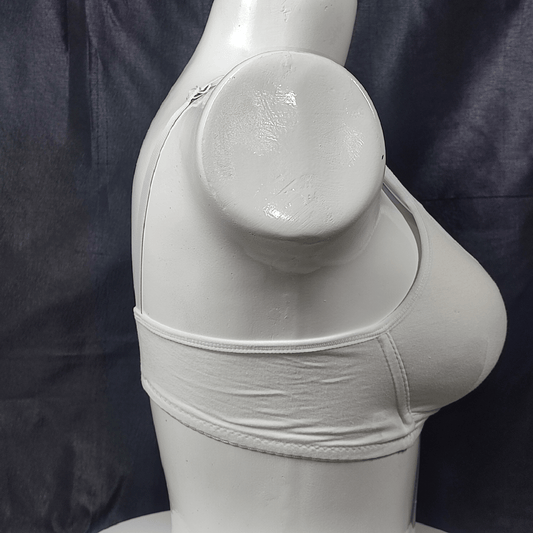
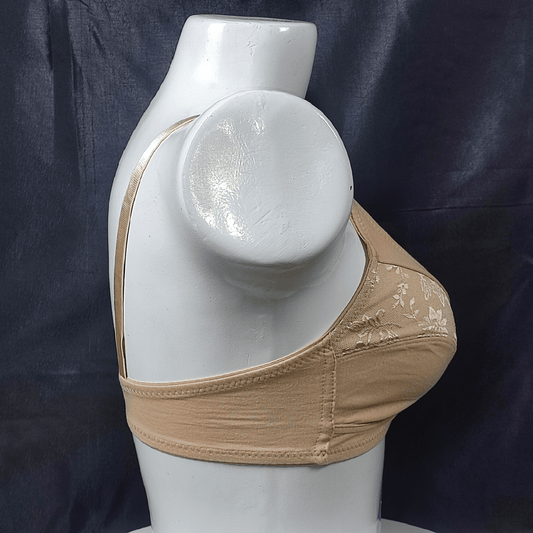
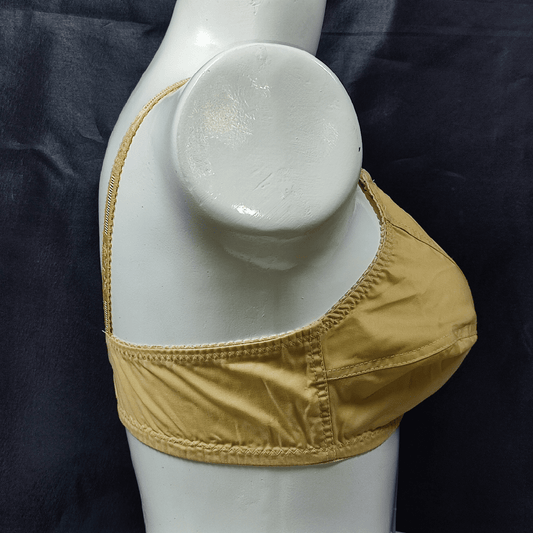
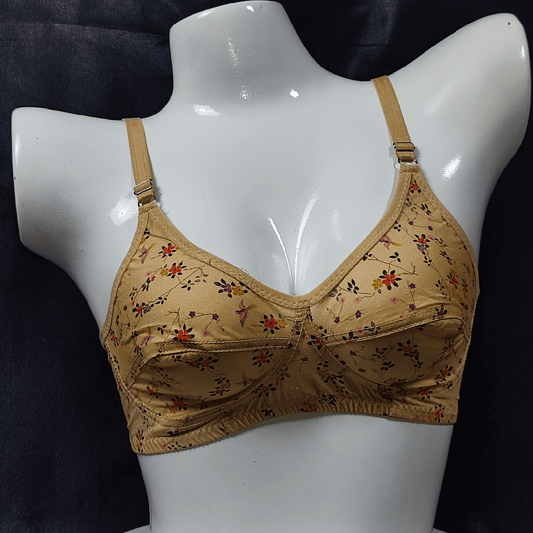
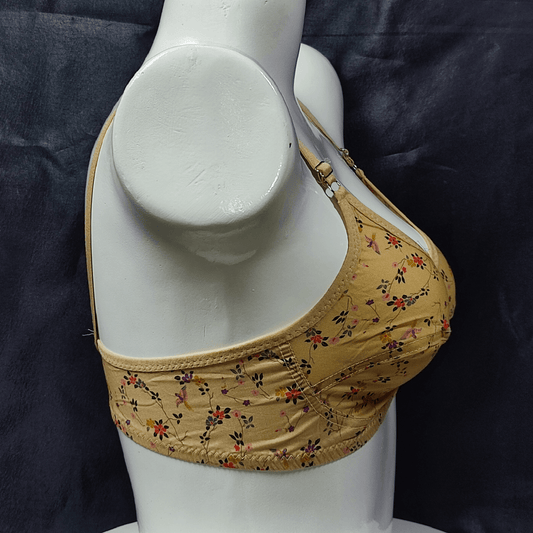
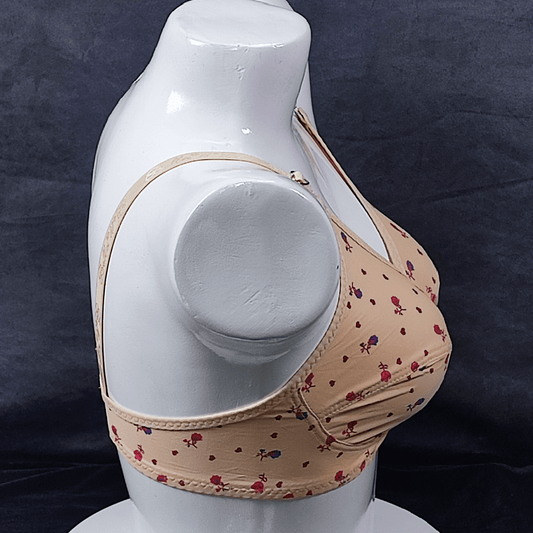
A bralette-and-brief combination can be a simple option for warm evenings because many bralettes use less structured construction than conventional moulded bras. However, some bralettes are padded, wired or heavily lined, so verify the actual design before assuming it is lightweight.
If you prefer a relaxed sleep or lounge option, check whether the band, straps and seams feel comfortable for extended wear. Browse the bralette collection and compare the construction of individual products.
2. Lightweight babydoll
A babydoll usually combines a fitted or semi-fitted upper section with a looser skirt. The flowing lower section can feel less restrictive than close-fitting sleepwear, while shorter lengths provide less overall coverage.
Babydolls may use mesh, lace or other fabrics, but material varies from product to product. Check transparency, lining and strap adjustment if those details matter to you.

3. Slip or chemise
A slip or chemise is a simple one-piece nightwear style with a relatively straight silhouette. It can work well when you want less bulk than a multi-piece set.
Do not assume that a shiny slip is silk or satin of a particular fibre type. “Satin” describes a weave or finish and can be made from different fibres. Check the actual composition and care instructions before buying.
For similar one-piece styles, browse the nighties collection.
4. Relaxed nightgown
A nightgown can be useful for shoppers who prefer more coverage without choosing a fitted pajama set. Look for a cut that gives you the amount of room you want around the torso and legs.
Features such as adjustable straps, side slits or an open neckline can change the fit, but they are not present on every nightgown. Verify the specific garment rather than treating them as standard features.
You can compare current options in the nightgowns collection.
5. Lace or mesh lingerie set
Lace and mesh can create lighter-looking lingerie, but appearance does not automatically tell you how the fabric will feel or how much airflow it provides. Mesh density, lining, elastic and layered sections all affect the experience.
If you are considering a lace or mesh set for warm weather, check whether the cups or panels are lined, whether the straps adjust, and how much coverage the bottom provides.
For coordinated pieces, browse bra and panty sets and review each product’s actual specifications.
6. Camisole and shorts set
A camisole-and-shorts combination offers two-piece coverage without full-length pajama bottoms. It can be practical for lounging as well as sleep, depending on the fabric and fit.
When comparing camisoles, check whether the style includes built-in padding, removable padding or no padding at all. Do not assume those features from the category name. The same applies to strap adjustability and fabric stretch.
Browse the camisoles and shorts collection for current options.
7. Lightweight pajama set
A pajama set can still work in summer if the particular design is light enough for your preference. Short sleeves, shorts, loose trousers and relaxed tops all create different levels of coverage.
Instead of choosing by season label alone, compare the fabric composition, garment weight and cut. A lightweight set may suit someone who wants more coverage than a slip or babydoll while still avoiding heavy sleepwear.
See the pajama sets collection for current designs.

How to choose between these seven styles
The best option depends on what you personally prioritise. Use these questions to narrow the choice:
- Do you want minimal, moderate or fuller coverage?
- Do you prefer a one-piece garment or separate top and bottom?
- Do you want padding, no padding or the ability to remove padding?
- Are wires comfortable for you, or would you rather choose a wire-free construction?
- Do you want adjustable straps?
- How much stretch does the product contain?
- Does the size chart match your current measurements?
For sizing help, check the ComfyBliss size chart and the individual product page.
What about colour in hot weather?
Colour can influence how clothing interacts with sunlight outdoors, but most nightwear is worn indoors and many other factors affect comfort. Do not choose summer lingerie solely because it is pastel or light-coloured. Fabric, fit, room temperature and garment construction are more useful shopping considerations.
Should summer lingerie always be wire-free or non-padded?
No. Wire-free and non-padded styles may appeal to shoppers who prefer less structure, but they are not mandatory for summer. A lightly padded or wired garment can still be suitable if you like the fit and construction.
The important point is to avoid presenting one design as universally more comfortable. Different shoppers have different preferences.
Care tips for lightweight lingerie and nightwear
Always follow the care label on the specific garment. Lace, elastic, mesh and delicate finishes can have different washing requirements. A gentle wash method may help reduce unnecessary wear, but the manufacturer’s instructions should take priority over generic advice.
For more detailed care guidance, see our article on undergarment care.
Frequently asked questions
What type of lingerie is good for hot summer nights?
Look for a style whose actual fabric, weight, fit and coverage suit warm conditions and your preferences. Bralettes, slips, babydolls, camisole sets, nightgowns and lightweight pajamas can all be options depending on their construction.
Is cotton always the best fabric for summer lingerie?
No single fibre is best for everyone. Fibre composition is only one part of the garment. Weave, thickness, stretch, lining and fit also affect how it feels, so compare the complete product specification.
Is mesh lingerie breathable?
Some mesh constructions allow more airflow than dense fabrics, but mesh varies in density, layers and lining. Check the actual garment rather than assuming all mesh behaves the same way.
Should I size up for summer sleepwear?
Use the retailer’s current size chart rather than automatically sizing up. If you prefer a looser fit, review the product cut and measurements and choose accordingly.
Final takeaway
Summer lingerie and nightwear do not need a rigid list of “approved” fabrics or features. Compare the real product: material, weight, coverage, padding, wiring, straps, seams and fit. Then choose the style—bralette set, babydoll, slip, nightgown, lace set, camisole set or pajama set—that best matches how you want to sleep or lounge on warm nights.