How to Match Bras & Underwear to Casual, Formal & Festive Outfits
The right bra and underwear can make an outfit easier and more comfortable to wear, but the best choice depends on the clothing rather than on a fixed body-type rule. Neckline, back design, fabric thickness, colour, coverage and activity level all matter.
This guide explains how to match bras and underwear to casual, formal, fitted and festive outfits without relying on unverified style rules. Use it as a practical checklist, then confirm the construction and sizing of the specific product before buying.
What should you match first: the bra or the outfit?
Start with the outfit. Look at its neckline, shoulder design, back, fabric and fit. Those details tell you which bra features are likely to work best. Then choose underwear based on rise, edge construction, coverage and how visible it may be under the garment.
A matching bra-and-panty set can be an aesthetic choice, but the two pieces do not have to match visually to work well under clothing.

1. Casual and everyday outfits
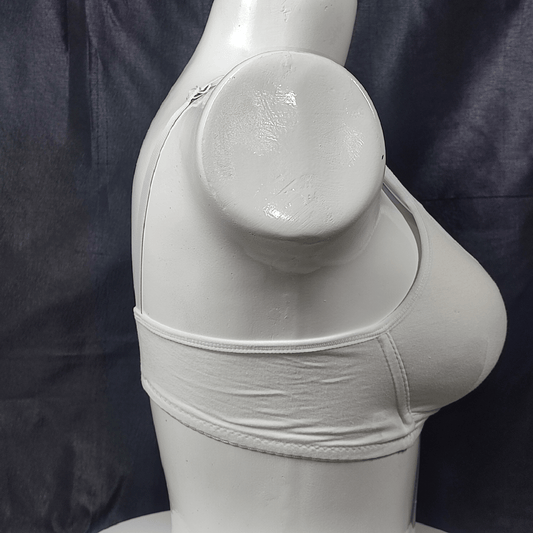
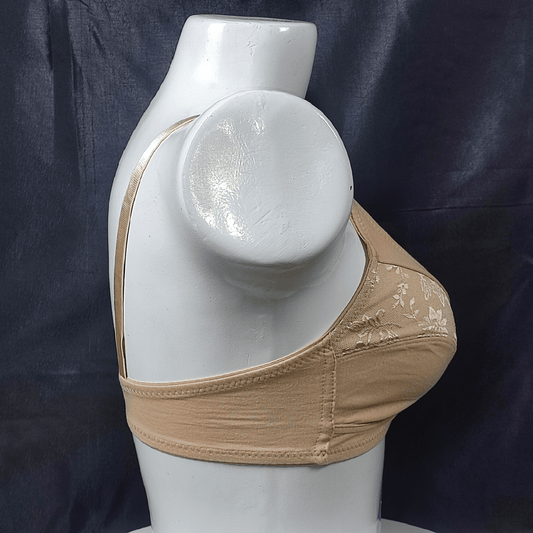
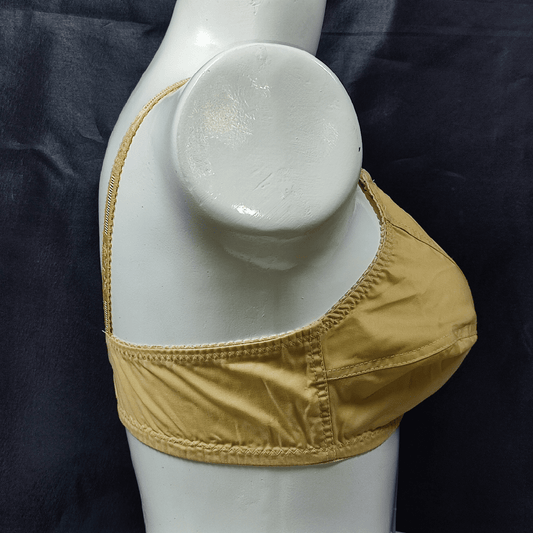
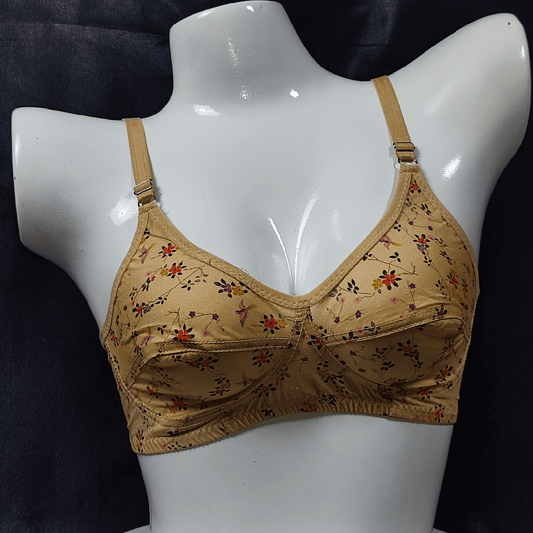
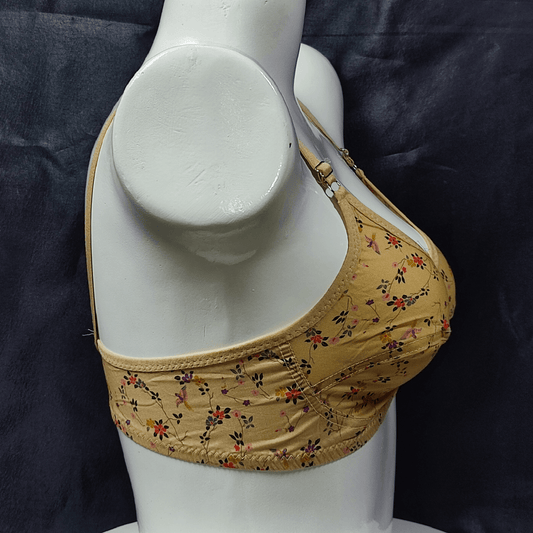
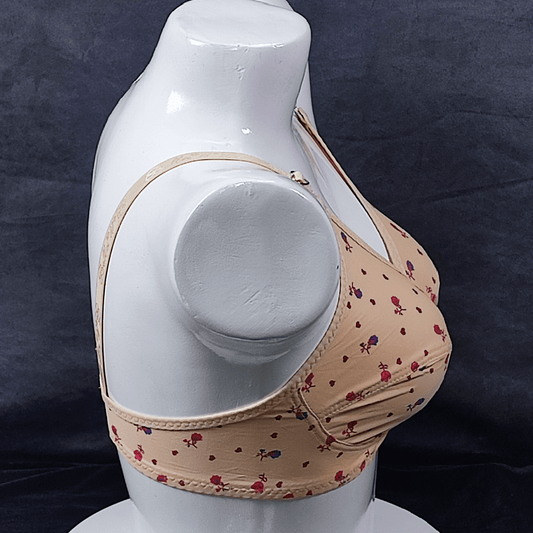
For everyday clothing such as T-shirts, kurtas, casual dresses and relaxed tops, prioritise the fit and construction you find comfortable. A smooth-cup bra may create a lower-profile finish under thinner fabrics, while a wire-free style may suit shoppers who prefer less structure.
Do not assume that every everyday bra is seamless, cotton or non-wired. Check the product description for the actual material, cup construction and support features.
Browse the bra collection and compare the product details rather than choosing by category name alone.
2. T-shirts and fitted tops
Thin or close-fitting tops can reveal cup seams, lace texture, bulky padding or high-contrast colours. If you want a smoother appearance, look for cups and edges designed to sit relatively flat beneath clothing.
Padding is not the same thing as support. A lightly padded bra can provide shape or coverage, but overall support depends on the band, cup construction, straps and fit.
When a product is described as seamless or no-show, verify that wording on the actual product page before relying on it for a fitted outfit.
3. White and light-coloured clothing
Under white or pale fabrics, an undergarment close to your skin tone is often less noticeable than a bright white or strongly contrasting colour. The result also depends on the thickness and transparency of the outer garment.
If the fabric is very sheer, test the combination in natural light before wearing it. Colour alone does not guarantee invisibility; seams, lace and garment tension can also show through.
4. Office and formal outfits
For office shirts, formal dresses and structured clothing, focus on a stable fit, appropriate coverage and straps that stay hidden beneath the garment. Smooth finishes can be useful under fine fabrics, while fuller coverage may be preferred under higher necklines.
There is no requirement to choose a padded bra for formal wear. Padded, non-padded, wired and wire-free bras can all work if their construction suits the outfit and the fit is correct.
If you are unsure of your current size, check the ComfyBliss size chart and the product-specific information before ordering.

5. Strapless, off-shoulder and halter outfits
Outfits that expose the shoulders often work best with a strapless or convertible bra whose straps can be removed or repositioned. The band becomes especially important in a strapless design because the bra cannot rely on shoulder straps in the usual way.
Before buying, verify whether the actual product is strapless, convertible, multiway or supplied with removable straps. Do not assume those features from the appearance alone.
You can compare relevant options in the strapless bra collection.
6. Deep or V-neck outfits
A plunge-style bra may suit a deep V-neck when a standard centre front would be visible. The key consideration is whether the bra neckline sits below the garment neckline while still fitting securely.
Choose the cup and band size from the retailer's sizing guidance rather than buying a smaller size to create a particular appearance. If a plunge design does not fit comfortably, a different cup shape may be the better solution.
7. Festive and wedding outfits
Festive dresses, sarees, lehengas and other occasion wear can vary widely in neckline, back depth, embroidery and fabric weight. Choose the bra according to those garment details rather than using one universal "wedding bra" rule.
For example, a low-back outfit may require a different solution from a high-neck embroidered dress. A strapless neckline may call for a strapless design, while a conventional blouse may work with a regular bra whose straps stay covered.
Colour can also matter under lighter festive fabrics. Neutral or lower-contrast shades are generally less likely to show than strongly contrasting colours, but the outer fabric should always be checked.
8. Bodycon dresses and other close-fitting garments
Under bodycon dresses, fitted skirts and slim trousers, low-profile edges can reduce visible lines. Panty cut and fabric thickness matter as much as whether the bra and panty visually match.
If avoiding visible panty lines is important, review the construction of the specific panty. Do not assume that every thong, brief or bikini is invisible under fitted clothing.
Explore bra and panty sets if you prefer coordinated pieces, but choose the bottom cut according to the outer garment.
9. Active days and workouts
For running, gym sessions, yoga or other exercise, use a sports bra designed for the level and type of activity you plan to do. Padding alone does not determine sports support; band stability, cup construction, straps and the product's intended activity level are more relevant.
Browse the sports bra collection and check each product's specifications before choosing it for exercise.
Does your bra and panty have to match?
No. Matching sets can look coordinated and may be convenient to buy together, but visual matching is not necessary for clothing fit. A smooth neutral bra with a different panty style can be the more practical combination if the two pieces work better under the outfit.
Choose the bra according to neckline and support needs, then choose the panty according to rise, coverage, edges and the fit of the lower garment.

Quick fit checklist before leaving home
- The bra band sits level instead of noticeably riding upward.
- The cups do not show obvious gaping or overflow.
- Straps stay in place and remain hidden if the outfit requires it.
- The bra neckline does not extend beyond the clothing neckline unless that is intentional.
- Panty edges and rise work with the cut of the lower garment.
- The colours and textures do not show through more than you want them to.
If you need to recheck your measurements, use our guide on how to measure bra and panty size at home.
Shopping for bras and underwear online in Pakistan
When shopping online, use the current size chart and product details rather than assuming that a familiar size will fit every style. Stretch, cup shape, wiring, padding, strap design and panty rise can change the fit even when the size label is the same.
Also check whether a matching set allows separate bra and panty sizes or uses one fixed combination. This is especially important when your preferred top and bottom sizes differ.
Frequently asked questions
Which bra is best under a T-shirt?
A bra with a relatively smooth cup and low-profile seams is often useful under a T-shirt. Confirm the actual construction of the product rather than relying only on its category name.
What bra should I wear with an off-shoulder dress?
A strapless or convertible bra may work when the shoulder area needs to remain clear. Check that the specific bra is designed for strapless or multiway wear and that the band fits securely.
Should I wear white underwear under white clothes?
Not necessarily. A shade closer to your skin tone is often less noticeable under white or pale fabric than bright white, although fabric thickness and seams also affect visibility.
Do matching bra and panty sets improve outfit fit?
Matching colours and designs are mainly an aesthetic preference. Outfit fit depends more on the construction, size, coverage, rise and edges of the individual pieces.
Final takeaway
Match your bra and underwear to the clothing first: neckline, shoulders, back, fabric, colour and activity level should guide the decision. Then confirm the product's actual construction and size information. A coordinated set can be attractive, but the most useful combination is the one that fits you and works under the outfit you are wearing.