Bra Market in Pakistan: 7 Factors Shaping Online Lingerie Shopping
The bra market in Pakistan includes a wide range of everyday, fashion, sports and occasion-focused products sold through physical stores and online retailers. Understanding this market does not require unsupported claims about one style being universally “most popular.” A more useful approach is to look at the practical factors that influence how shoppers compare and choose bras.
This guide covers seven factors that matter when understanding online bra shopping in Pakistan: product information, sizing, price, construction, fabric, coverage and digital discovery. It is a practical shopping-and-retail overview rather than a formal market-size study, and it does not claim proprietary sales statistics.
Key takeaways
- Clear product information matters because online shoppers cannot try a bra on before ordering.
- Size, padding, wiring, coverage, fabric and closure should be compared together rather than judged from a product name alone.
- Pakistan’s broader digital environment supports online product discovery and payment activity, but national internet and payment statistics do not measure lingerie demand directly.
- There is no reliable basis here for claiming that one bra style, fibre or price point is universally preferred by Pakistani women.
Pakistan’s broader digital-commerce context
Pakistan’s wider digital environment provides useful context for online retail. The Pakistan Bureau of Statistics Household Integrated Economic Survey (HIES) 2024–25 reports that 70% of households had internet access and 57% of the population used the internet in 2024–25.
The State Bank of Pakistan Payment Systems Review FY2024–25 reports 111 million card-based transactions on e-commerce platforms during FY25, compared with 78 million in FY24. These figures describe Pakistan’s broader digital-commerce environment; they do not measure the size, growth or sales of Pakistan’s bra or lingerie market specifically.
1. Online product information affects purchase decisions
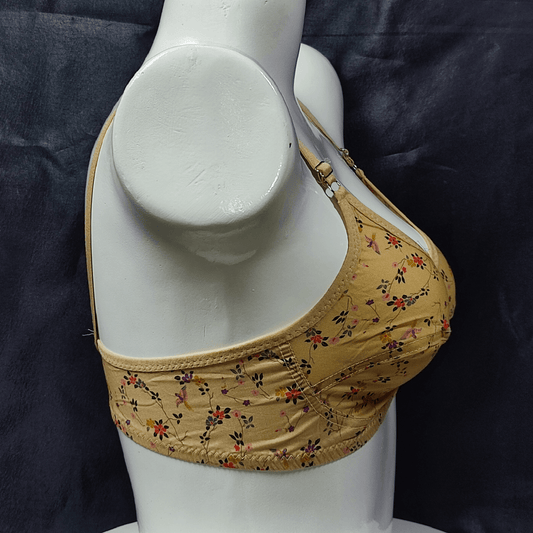
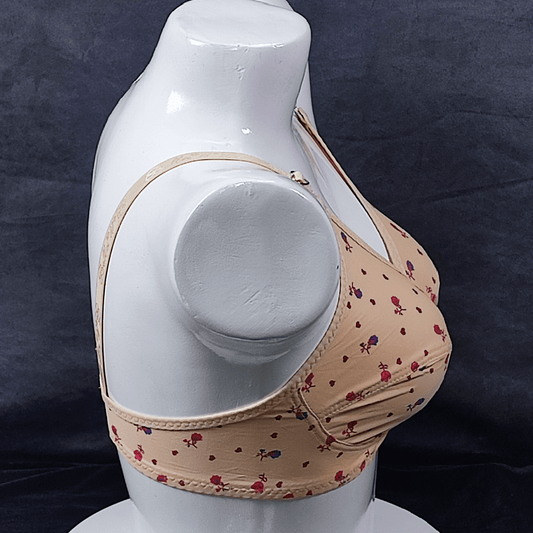
Buying a bra online removes the ability to try the garment on before ordering, so the quality of the product page becomes especially important. Shoppers need clear information about size, padding, wiring, coverage, straps, closure, fabric composition and available colours.
A product title alone is rarely enough. Terms such as “padded,” “soft,” “sports,” “seamless” or “full coverage” describe different aspects of construction, and two products in the same category can still fit very differently.
For shoppers, the practical step is to compare the specifications on each listing. For retailers, consistent product information can make it easier for customers to understand what they are buying.
Browse the ComfyBliss bra collection to compare different constructions and styles.
2. Sizing and fit information are central to online bra shopping
Bra sizing is one of the most important pieces of information on an online lingerie page. A familiar size label does not guarantee the same fit across every style because cup shape, band stretch, padding and construction can differ.
A useful product page should make it easy to find the size range and relevant measurement guidance. Shoppers should compare their current measurements with the retailer’s sizing information instead of assuming that an older bra size will always remain correct.
The ComfyBliss size chart can be used as a starting point when checking available sizes.
3. Price and value need to be compared together
Price is an obvious part of the bra market, but the cheapest or most expensive option is not automatically the best choice. Value depends on what the shopper actually needs from the garment.
When comparing two bras, look beyond the price tag and check the construction, fabric composition, adjustability, coverage and intended use. A basic everyday bra and a more structured occasion style may have different design features even when they appear similar in product photos.
Retailers can help shoppers compare value by describing the product accurately instead of relying on exaggerated claims such as “premium,” “luxury” or “best” without supporting detail.
4. Bra construction creates different shopping categories
The Pakistan bra market contains many construction choices rather than one universal style. Common distinctions include padded versus non-padded, wired versus wire-free, front-open versus back-closure, strapless versus conventional straps, and sports designs versus everyday bras.
Padding does not automatically mean support, and a wire-free bra is not automatically less supportive. Overall fit depends on the band, cups, straps and the way the garment is designed.
Shoppers who prefer less cup structure can compare the non-padded bra collection, while those looking for shaping or coverage can review padded bras and verify the exact amount and type of padding on the individual listing.
5. Fabric matters, but fibre names should not be overgeneralized
Pakistan’s climate can make fabric and garment weight relevant shopping considerations, particularly during warmer months. However, it is not accurate to claim that one fibre is always “best” or that a specific material automatically prevents heat, sweat or irritation.
Check the actual fibre composition, stretch content, lining and garment thickness. Cotton, nylon, polyester, elastane and other fibres can appear in different blends, and the finished construction matters as much as the fibre name.
Shoppers should also avoid assuming that words such as “silky” or “satin” identify a specific fibre. Product descriptions should state the verified material whenever that information is available.
6. Coverage and style preferences vary by shopper and outfit
Full-coverage, demi, balconette, plunge, bralette, sports and strapless bras serve different clothing and personal-preference needs. There is no reliable basis for claiming that one Pakistani region or demographic universally prefers a particular bra style without supporting research.
A more practical way to compare styles is by intended use. A smooth everyday bra may be chosen for fitted clothing, a strapless design for an exposed-shoulder outfit, and a sports bra for exercise. The appropriate choice depends on the garment, activity and the wearer’s preferences.
For outfit-specific guidance, see our guide to matching bras and underwear with different outfits.

7. Search, social content and product education influence discovery
Shoppers can discover bras through search engines, social platforms, recommendations, retailer websites and other digital channels. The important point for a retailer is not to assume that every visitor arrives with the same level of product knowledge.
Educational content can help explain differences between bra types, sizing and construction before the shopper reaches a product page. Clear internal links between guides, collections and sizing information can also make product comparison easier.
For example, shoppers researching softer everyday constructions can read our soft bras guide for women in Pakistan before comparing specific products.

What should online lingerie retailers focus on?
For an online bra retailer, useful product information is more defensible than broad marketing claims. Key areas include:
- Accurate product titles and descriptions.
- Clear size and fit guidance.
- Verified padding, wiring and strap information.
- Actual fabric composition rather than assumed material claims.
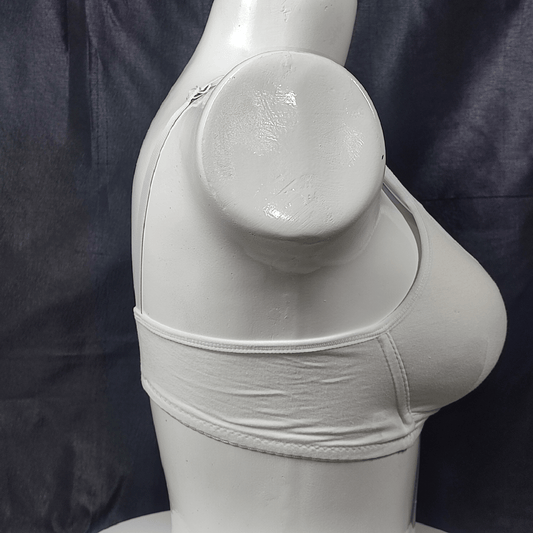
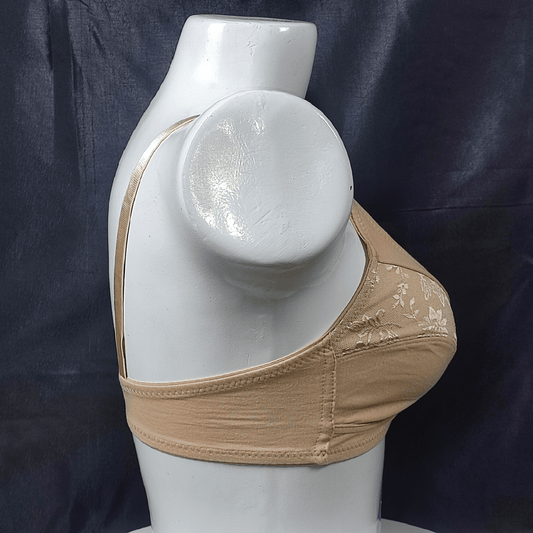
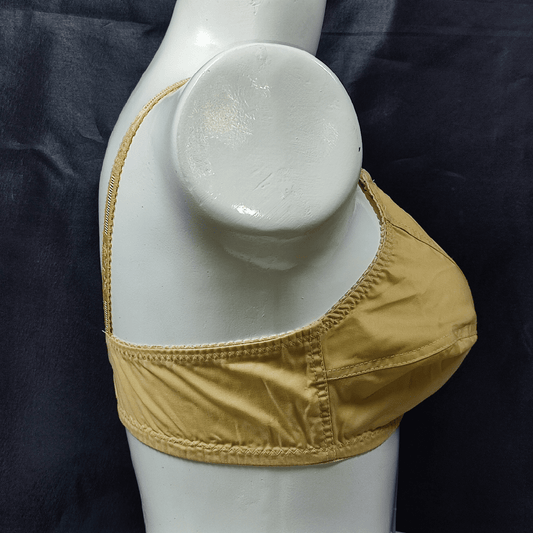
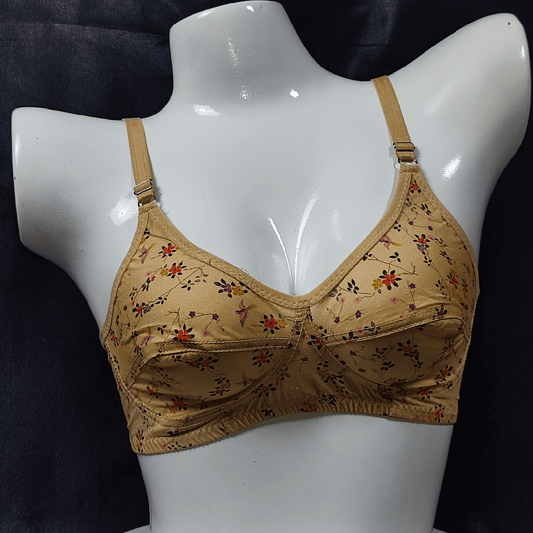
- Useful photos and descriptive image alt text.
- Consistent information about coverage and closure.
- Internal links to relevant categories and educational guides.
These elements do not guarantee a sale, but they give shoppers more information with which to make a decision.
What should shoppers compare before buying a bra online?
- Size: compare current measurements with the retailer’s chart.
- Padding: check whether the bra is non-padded, lightly padded or more structured.
- Wiring: verify whether the product is wired or wire-free.
- Coverage: compare cup shape and neckline with the clothing you plan to wear.
- Straps: check whether they are adjustable, removable or fixed.
- Closure: note whether the bra closes at the front, back or uses another design.
- Fabric: read the stated composition rather than assuming the material from appearance.
Frequently Asked Questions
What factors shape the bra market in Pakistan?
Online product information, sizing, price, construction choices, fabric, coverage preferences and digital discovery all affect how bras are presented and compared. Without a formal market dataset, these should be treated as practical market factors rather than quantified nationwide trends.
Are padded bras more supportive than non-padded bras?
Not necessarily. Padding mainly affects cup shape, coverage and appearance. Support depends on the full construction of the bra, including the band, cups, straps and fit.
Which bra fabric is best for Pakistan’s weather?
No single fibre is best for every shopper or season. Check fibre composition, garment weight, lining, stretch and fit. The overall construction can be as important as the material name.
What should I check when buying a bra online in Pakistan?
Start with size, padding, wiring, coverage, straps, closure and fabric composition. Compare those details with your intended use and the retailer’s current size chart.
Does one bra style suit every woman?
No. Fit and preference vary. Different bra styles are designed for different levels of coverage, clothing necklines, activities and personal preferences.
Sources and methodology
This article separates ComfyBliss retail observations and product guidance from broader public data. The national digital-access figures cited above come from the Pakistan Bureau of Statistics HIES 2024–25, while e-commerce card-transaction figures come from the State Bank of Pakistan Payment Systems Review FY2024–25. Neither source measures bra or lingerie sales specifically.
- Pakistan Bureau of Statistics — Household Integrated Economic Survey (HIES) 2024–25
- State Bank of Pakistan — Payment Systems Review FY2024–25
- ComfyBliss Editorial Standards & Content Methodology
Final Takeaway
The bra market in Pakistan is better understood through clear shopping and retail factors than through unsupported claims about what every woman wants. Accurate product information, sizing, price comparison, construction, fabric, coverage and digital discovery all help shoppers evaluate their options.
For buyers, the priority is to verify the actual product specifications. For retailers, the priority is to describe those specifications clearly and consistently.